1
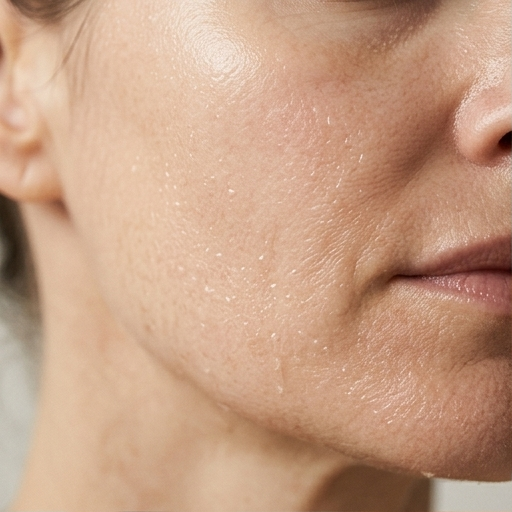
Don't Fully Dry
Cleanse, then leave skin slightly damp. Humectants work best when there's water available to hold.


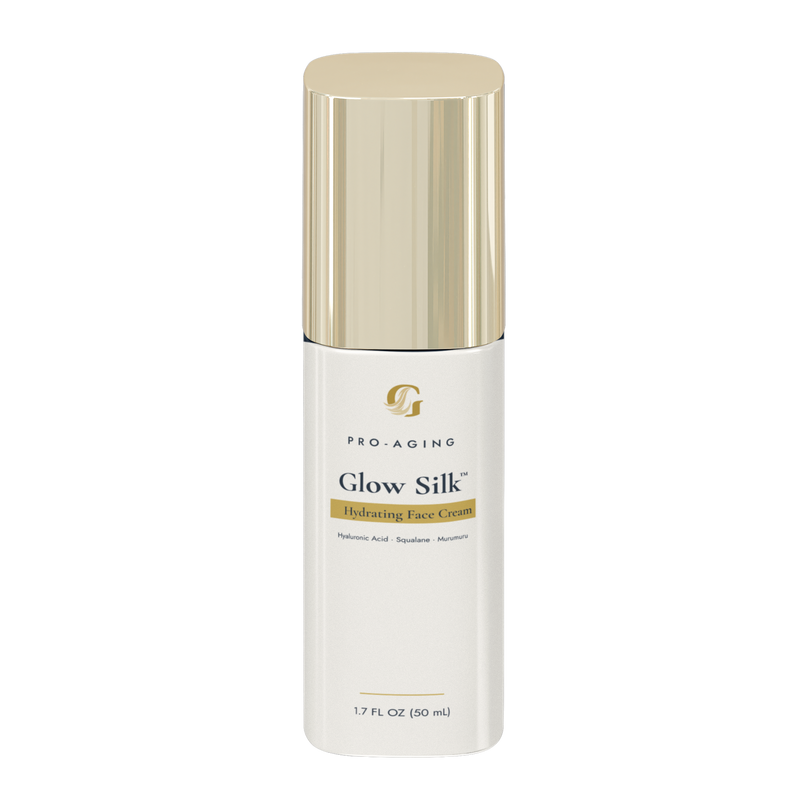
A light hydrating cream built around hyaluronic acid, squalane, and murumuru butter. Water-based, because hydration requires water — with the actives in the top five ingredients rather than buried after the preservative.
Choose Your Bundle
Dry skin lacks oil. It's a skin type — fewer active sebaceous glands, generally lifelong, and it responds to lipids: oils, butters, balms.
Dehydrated skin lacks water. It's a condition, not a type, and it happens to everyone — including people with oily skin. Winter air, indoor heating, air travel, a hard week.
They need opposite things, which is why so many people are using a product that can't fix what they actually have. Applying a rich oil to dehydrated skin seals in the absence of water. It feels better for an hour. Nothing has been added.
Because they do different jobs, and the chemistry follows the job.
Hydrating means putting water into skin. That requires water and a humectant to bind it — hyaluronic acid holds moisture in the upper layers, but only if there's water present for it to hold. In a waterless formula it has nothing to work with.
Sealing means stopping water from leaving. That requires occlusive lipids and no water at all — which is exactly what Glow Velvet is.
Most brands sell one jar that's mostly water with a fraction of a percent of oil: too thin to seal, too little humectant to hydrate. We'd rather make two things that each do one job completely.
If your skin feels tight — especially after cleansing, in winter, or after travel — that's dehydration, and Silk is the answer.
If your skin feels rough or flaky and always has, that's dryness, and Velvet is the answer.
If both, use both: Silk in the morning on its own, and at night Silk first, Velvet on top to seal it in. That's the full system, and it's two products rather than the eight most routines accumulate.
Because it contains water, and anything containing water will grow bacteria, mould, and yeast without a preservative system. That's microbiology, not a formulation shortcut.
Ours is Leuconostoc/Radish Root Ferment Filtrate with sodium levulinate and sodium anisate — a ferment-derived system, not parabens or formaldehyde donors. We name it rather than hiding it, because a water-based product marketed as "preservative free" either contains one under a name that doesn't sound like a preservative, or has a shelf life measured in weeks.
Silk suits most skin types, including oily and combination — dehydration affects those as much as any other, and a light water-based cream is often exactly what oily skin has been missing.
It's fragrance-free, with no parabens or phthalates, which makes it a reasonable choice for reactive skin. As with anything new, patch test on your inner forearm and wait 24 hours.
If your skin is genuinely dry rather than dehydrated — rough and flaky year-round — Silk alone may not be enough. Pair it with Glow Velvet at night.
Water, Squalane, Glyceryl Stearate, Caprylic/Capric Triglyceride, Vegetable Glycerin, Propanediol, Euphorbia Cerifera (Candelilla) Wax, Simmondsia Chinensis (Jojoba) Seed Oil Organic, Jojoba Esters, Butyrospermum Parkii (Shea) Butter Organic, Cetearyl Alcohol, Cetearyl Glucoside, Leuconostoc/Radish Root Ferment Filtrate, Astrocaryum (Murumuru) Seed Butter, Cetyl Alcohol, Glyceryl Caprylate, Citric Acid, Xanthan Gum, D-alpha-Tocopheryl Acetate, Helianthus Annuus (Sunflower) Seed Oil, Linoleic Acid, Linolenic Acid, Camellia Oleifera Seed Oil, Sodium Levulinate, Sodium Anisate, Caramel Organic, Sodium Hyaluronate (Hyaluronic Acid), Corn Starch, Acacia Senegal Gum Organic, Camellia Sinensis (Green Tea) Leaf Extract.
No parabens, no phthalates, no synthetic fragrance.
The Distinction
Your Skin Might Not Be Dry. It Might Be Dehydrated.
They sound like the same thing. They aren't — and the difference decides whether the cream you're using can do anything at all.
Dry skin lacks oil. It's a skin type — fewer active oil glands, generally lifelong. It responds to lipids: oils, butters, balms.
Dehydrated skin lacks water. It's a condition, not a type, and it happens to everyone — including people with oily skin. Winter air, indoor heating, a long flight, a hard week.
Here's why it matters: they need opposite things. Dry skin needs lipids to replace what isn't being produced. Dehydrated skin needs water, plus something to hold it in place. Put a rich oil on dehydrated skin and you seal in the absence of water. It feels better for an hour. Nothing has been added.
Hyaluronic acid is a humectant — it works by binding water and holding it in the upper layers of skin. Which means it can only hold water that's actually there.
In a waterless formula, there is nothing for it to bind. And applied to dry skin in dry air, a humectant can draw moisture upward from deeper layers and lose it to the air — leaving skin tighter than before you started.
So the criterion is simple: if you want hydration, the product has to bring the water with it.
Introducing
A Cream That Brings the Water With It
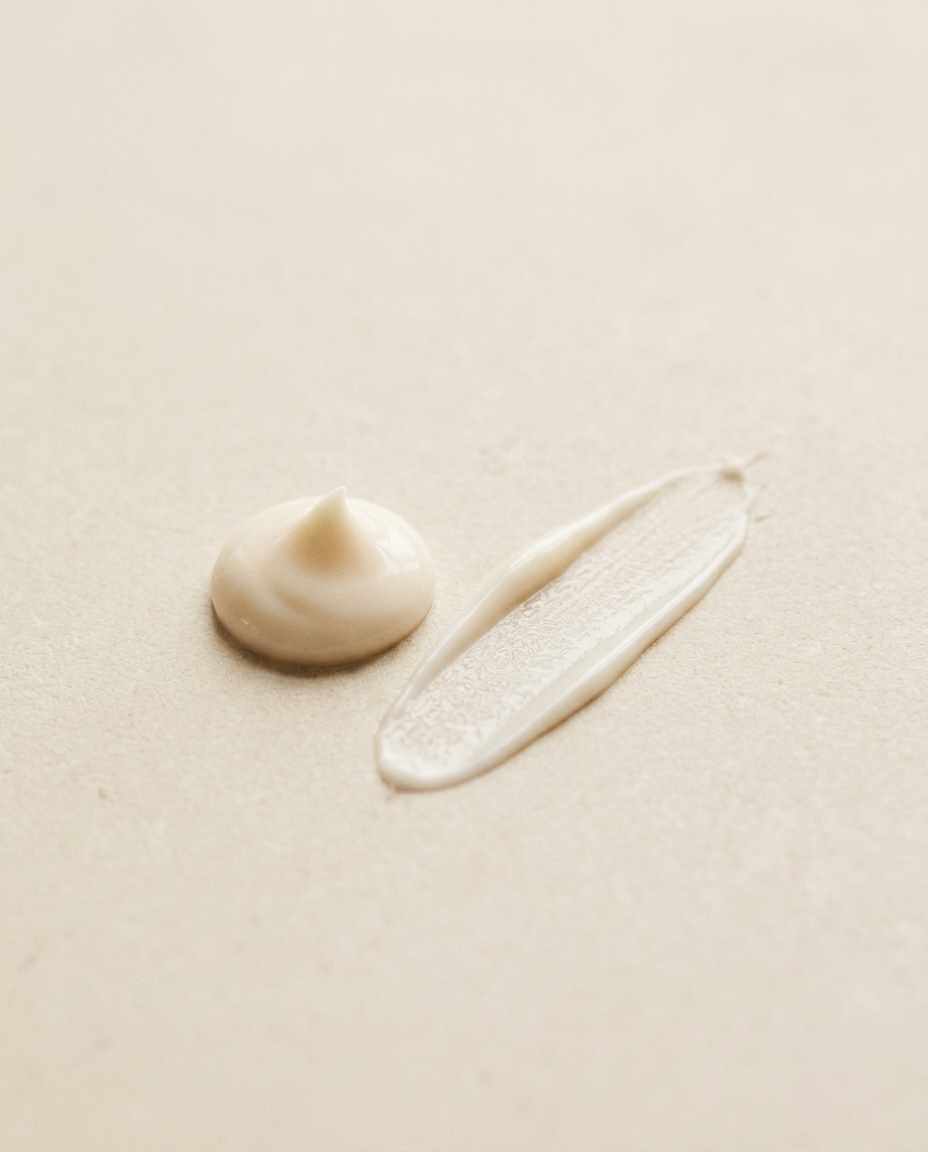
Glow Silk is built around what hydration actually requires: water, a humectant to bind it, and lipids to keep it from leaving.
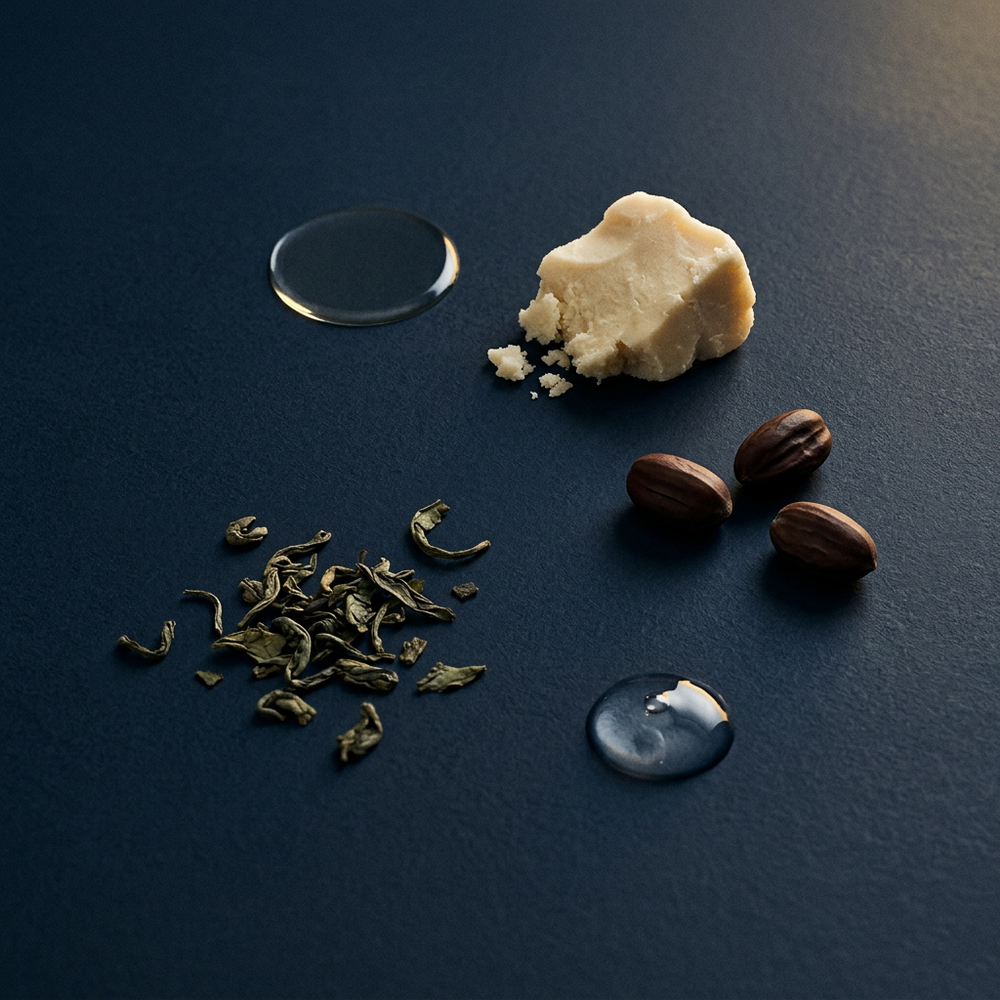
Sodium hyaluronate draws and holds moisture in the upper layers of skin. Squalane — an emollient your own skin produces naturally — helps it stay there. Murumuru, shea, and jojoba give the formula enough substance to support the barrier without sitting heavy on it.
Most creams reach for weight to feel like they're working. Thickness is easy to add and easy to mistake for efficacy.
Silk is light on purpose, because it's meant to be used twice a day and to sit under makeup without pilling. The work is done by what's in it, not by how heavy it feels.
That it's clinically proven to do anything. We haven't run a trial, and we won't imply one.
What we can tell you is exactly what's in it, in what order it appears, and why each thing is there. On the back of the bottle, where you can check.
The System
Two Jobs. Two Products. Neither Pretending to Be the Other.
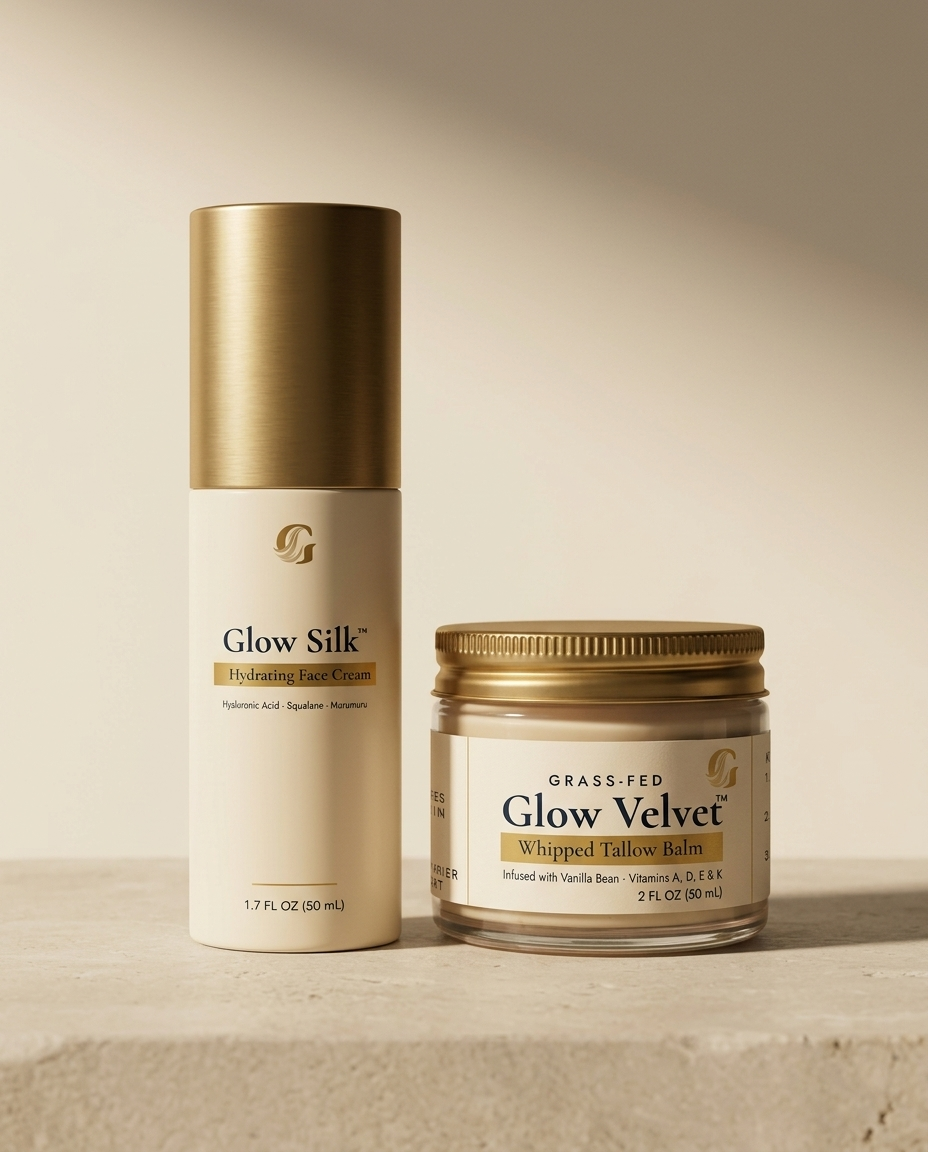
Hydrating and sealing are different jobs. They require different chemistry. One jar cannot do both well.
Hydrating means putting water into skin. That needs water and a humectant to bind it. That is Glow Silk.
Sealing means stopping water from leaving. That needs occlusive lipids and no water at all. That is Glow Velvet.
AM
Silk, On Its Own
PM
Silk, Then Velvet
2
Products, Not Eight
The conventional moisturizer is mostly water with a fraction of a percent of oil — too thin to seal, too little humectant to meaningfully hydrate. It half-does both jobs and is sold as if it did each one completely. We'd rather make two things that each do one job properly.
If your skin feels tight, start with Silk. If it feels rough, start with Velvet. If both — and for most people in winter, it's both — use Silk first and Velvet over the top at night.
What It Does
A daily cream that:
Draws In and Holds Moisture
Supports the Skin Barrier
Absorbs Fast, No Residue
Leaves Skin Looking Plump
Plant-Derived Actives
Light Enough for AM and PM
Your Journey
What to Expect
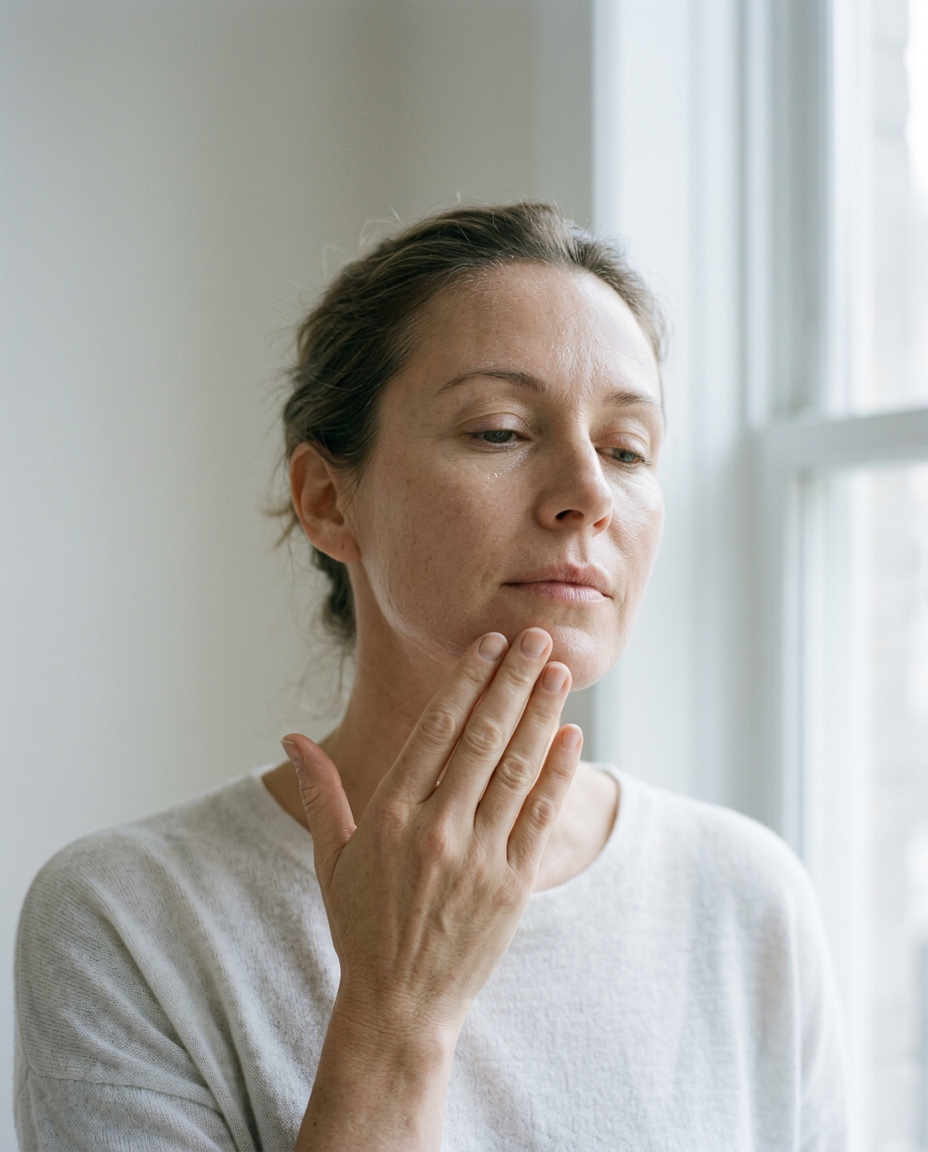
Your Daily Ritual
How to Use Glow Silk
Four steps, morning and night, in under a minute.
Cleanse, then leave skin slightly damp. Humectants work best when there's water available to hold.
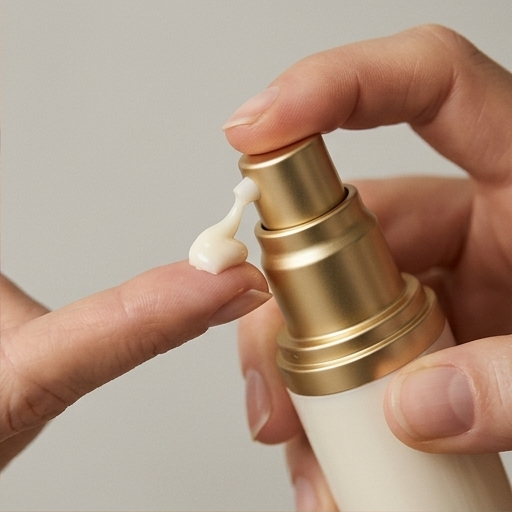
Dispense a single pump into your palm. It looks light because it is — that's the point.
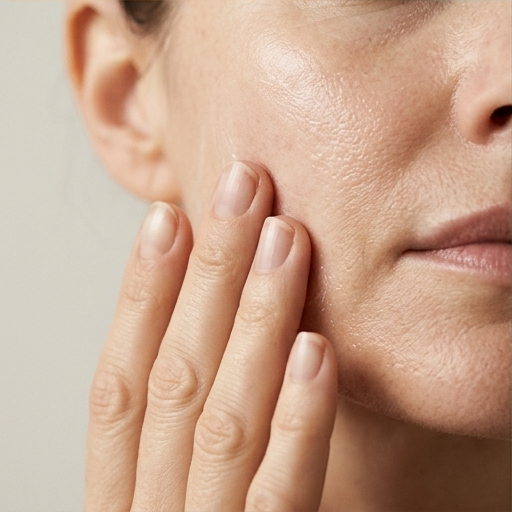
Massage into face and neck using upward, outward motions. It should absorb in seconds.
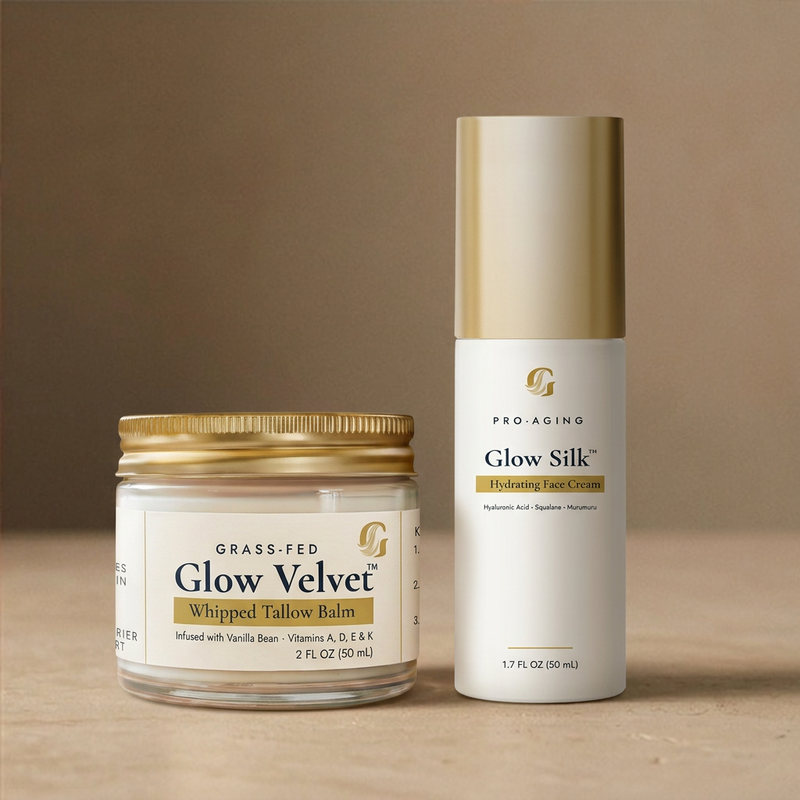
Use twice daily. At night, follow with Glow Velvet to seal the hydration in while you sleep.
How Glow Silk Compares
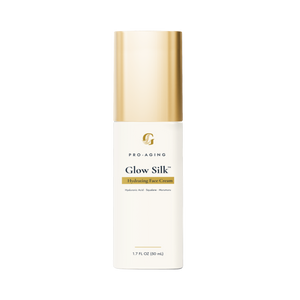
The Glow Silk Difference

Before Glow Silk

After Glow Silk
Thirty Days, Risk-Free
Use Glow Silk morning and night for thirty days. If your skin doesn't feel more comfortable and less tight, write to us and we'll refund your order in full — bottle included, no return required.
We'd rather you find out it isn't for you than keep something you don't reach for.
Product Questions
Dry skin lacks oil — it's a skin type, generally lifelong, and it responds to lipids: oils, butters, balms.
Dehydrated skin lacks water — it's a temporary condition that happens to every skin type, including oily ones, usually triggered by winter air, indoor heating, travel, or stress.
The practical test: dry skin feels rough or flaky. Dehydrated skin feels tight, especially right after cleansing, and may still look shiny. Many people have both at once, which is why treating only one never quite works.
Because they're built for opposite jobs.
Hydrating means putting water into skin, which requires water and a humectant to bind it. Hyaluronic acid can only hold water that's actually present — in a waterless formula it has nothing to work with.
Sealing means stopping water from leaving, which requires occlusive lipids and no water at all. That's Glow Velvet, and adding water to it would defeat the entire purpose.
The criticism we'd make of conventional moisturizers isn't that they contain water. It's that they use water as filler in a product trying to half-do both jobs at once.
If skin feels tight — Silk. If it feels rough — Velvet. If both, which is most people from about November onward, use Silk in the morning on its own, and at night apply Silk first and Velvet over the top to seal it in.
Order matters: water-based products go on before oil-based ones. An occlusive balm applied first will slow the absorption of anything you put on after it.
Because it contains water, and anything containing water grows bacteria, mould, and yeast without a preservative system. This is microbiology, not a formulation compromise.
Ours is Leuconostoc/Radish Root Ferment Filtrate with sodium levulinate and sodium anisate — a ferment-derived system, not parabens and not formaldehyde donors. We name it plainly, because a water-based product advertised as "preservative free" either contains one under a name that doesn't sound like a preservative, or has a shelf life measured in weeks.
Silk suits most skin types, including oily and combination — dehydration affects those as much as any other, and a light water-based cream is frequently what oily skin has been missing while it was being treated for oiliness.
It's fragrance-free with no parabens or phthalates, which makes it a reasonable choice for reactive skin. Patch test on your inner forearm and wait 24 hours before applying more widely.
If your skin is genuinely dry rather than dehydrated — rough and flaky year-round — Silk on its own may not be enough. Pair it with Glow Velvet at night.
Yes — it's formulated for it. Silk absorbs in seconds and sets without tack, so it won't pill under foundation the way heavier creams do. Give it a minute to settle before applying anything on top.
Apply your water-based steps first (toner, essence, serum), then Silk. If you're also using a facial oil or Glow Velvet, those go last.
Used morning and night on face and neck, a 1.7 fl oz bottle typically lasts six to eight weeks. One pump is genuinely enough — the airless pump dispenses a consistent dose and keeps the formula from oxidising, which matters for a product containing plant oils and vitamin E.
Glow Silk™ is a cosmetic product intended to moisturize and soften the skin. It is not intended to diagnose, treat, cure, or prevent any disease or skin condition. Individual results vary. Patch test before first use. Glow Beauty is a line of Glow Equestrian LLC.