

Why Is Grooming Important for Horses?
Share
A dull coat, a rubbed-out tail, and a mane that keeps snapping off rarely start as “just cosmetic” problems.
They usually point to friction, dryness, buildup, irritation, or missed early signs on the skin.
That is why is grooming important for horses is such a valuable question to ask - because good grooming is not about making a horse look polished for a few hours.
It is about protecting the horse’s skin barrier, coat quality, comfort, and long-term condition every single day.
Why grooming is important for horses goes far beyond appearance
Plenty of conventional grooming advice stops at shine. Brush the horse, spray the coat, comb the tail, and move on.
The problem is that superficial shine can hide poor hair health.
Silicone-heavy detanglers, harsh cleansers, and rushed routines often make horses look better temporarily while dryness, breakage, and irritation continue underneath.
Real grooming should do more than create slip on the surface. It should help remove sweat, dirt, and debris before they sit against the skin.
It should support natural oil distribution without stripping the coat raw. It should reduce mechanical damage in high-friction areas like the dock, tailbone, mane base, and under tack.
Most importantly, it gives you regular, close contact with the horse’s body, which is how small problems get caught before they turn into expensive ones.
That is the standard serious horse owners should expect. Not cosmetic cover-up. Actual care.
Grooming is a health check you perform with your hands
One of the biggest reasons grooming matters is simple: it forces observation.
When you run a curry over the body, lift the forelock, separate the mane, and work through the tail, you are doing a daily inspection whether you realize it or not.
This is often when owners first notice heat, swelling, tenderness, rain rot, fungus, insect bites, girth rubs, saddle pressure, hives, lice, or flaky skin.
A horse can look fine from the aisle and still be developing an issue under the hair. Grooming brings those changes to the surface.
There is a practical advantage here. Skin problems are easier to manage early, when the area is still small and the horse is not yet rubbing, biting, or becoming reactive to touch.
The same goes for mane and tail damage. If you catch dryness and breakage early, you can change the routine before whole sections thin out.
For performance horses, this matters even more. Tiny areas of soreness, sensitivity, or tack friction can affect focus and movement long before they become obvious under saddle.
The coat and skin need more than a quick brush-off
Healthy skin is not passive. It is an active barrier that helps protect against irritation, microbes, moisture loss, and environmental stress. Grooming supports that barrier when it is done correctly.
Brushing loosens dirt, dried sweat, and dead skin cells that would otherwise sit on the coat and create friction.
Currying helps stimulate the skin and move natural oils through the hair coat, which improves comfort and appearance at the same time. A clean coat is also less likely to trap irritants under blankets or tack.
But there is a trade-off. Over-grooming, rough grooming, or using stripping products can do real damage. Horses with sensitive skin, thin coats, or existing irritation do not benefit from aggressive scrubbing.
Neither do manes and tails benefit from daily ripping with a brush just because it feels productive.
Good grooming is not the most forceful routine. It is the most effective one.
Why mane and tail care deserve special attention
Body grooming and hair care are related, but they are not identical. The mane and tail take a different kind of abuse.
They deal with constant friction from blankets, sheets, hoods, halters, neck covers, rolling, weather, and movement. Add in itching at the dock or crest, and breakage escalates fast.
This is where many mass-market products fail.
They make hair feel slick for a day but do little to address the reasons it became dry, brittle, or fragile in the first place. Coating damaged hair is not the same as improving its condition.
If you have ever wondered why a tail never seems to get thicker despite using detangler constantly, this is usually why.
Hair health depends on what happens over time: how often it is washed, what it is washed with, whether residue is left behind, how much tension is placed on it, and whether the routine supports moisture balance instead of disrupting it.
A well-managed mane and tail are less likely to snap during brushing, less likely to develop severe tangling, and less likely to be rubbed away from irritation.
That matters visually, of course, but it also affects comfort and protection.
A full tail helps with fly defense. A healthy mane protects the crest and reduces sensitivity in that area.
Clean does not mean stripped
One of the most common mistakes in horse grooming is confusing cleanliness with harshness.
If a shampoo leaves the hair squeaky, rough, or difficult to manage, that is not a sign of superior cleaning. It is often a sign that the formula has taken too much.
Clarifying has a place, especially when you need to remove sweat, dirt, old product residue, and environmental buildup.
But after cleansing, the hair and skin need support. Otherwise the cycle repeats: dryness leads to tangling, tangling leads to breakage, breakage leads to more product use, and product use leads to more buildup.
That cycle is exactly why serious grooming routines are shifting away from surface-level sprays and toward treatment-oriented systems.
A better standard is one that cleans thoroughly, conditions with purpose, and respects the biology of hair and skin instead of trying to fake the result.
This is also why ingredients matter.
Not because they sound premium on a label, but because they determine whether a product simply coats the shaft or helps support softness, manageability, and resilience over repeated use.
Grooming improves comfort, behavior, and trust
Most experienced horse owners can tell when a horse enjoys being groomed and when a horse braces against it. That reaction tells you something.
For many horses, grooming is physically relieving. It removes dried sweat after work, relieves pressure from caked dirt, helps with shedding, and reduces the irritation that makes horses rub on fences and stall walls.
When the skin feels better, the horse often behaves better too.
There is also a relationship component.
Regular, calm handling teaches you how your horse normally feels and reacts. You notice when the horse flinches where he did not yesterday.
You notice when the tail dock is suddenly sensitive. You notice when a usually relaxed horse pins his ears during brushing because there is real discomfort involved.
That kind of familiarity is not sentimental fluff. It is useful information. Horses communicate physically long before they communicate dramatically.
Why grooming is important for horses in every season
The answer changes slightly with the calendar. In summer, grooming helps remove sweat, manage dust, and reduce the irritation that leads to rubbing and skin trouble.
In winter, it helps monitor skin under longer coats and blankets, where problems can stay hidden longer. During seasonal shedding, grooming helps clear dead hair and keeps the coat more comfortable and functional.
Show horses and horses in heavy work need an even higher standard because presentation and performance expose every weakness in the routine. Dullness, patchy tails, breakage, and irritated skin are easier to see under lights, under tack, and under scrutiny.
Still, this is not just a show-barn issue. Backyard horses, retirees, and lightly used horses benefit just as much from consistent grooming because neglect does not become harmless simply because the horse is not competing.
The best grooming routine is consistent, not complicated
Horse owners do not need a dozen steps. They need a routine that holds up over time. That usually means regular brushing, thoughtful bathing when needed, careful detangling, and products that actually support hair and skin instead of masking damage.
It also means resisting shortcuts. If a horse is rubbing its tail, the goal is not to drown the area in fragrance and shine.
The goal is to ask why. If the mane keeps breaking, the answer is not always more spray. Sometimes it is less buildup, better conditioning, less aggressive brushing, and a formula built for repair rather than cosmetic slip.
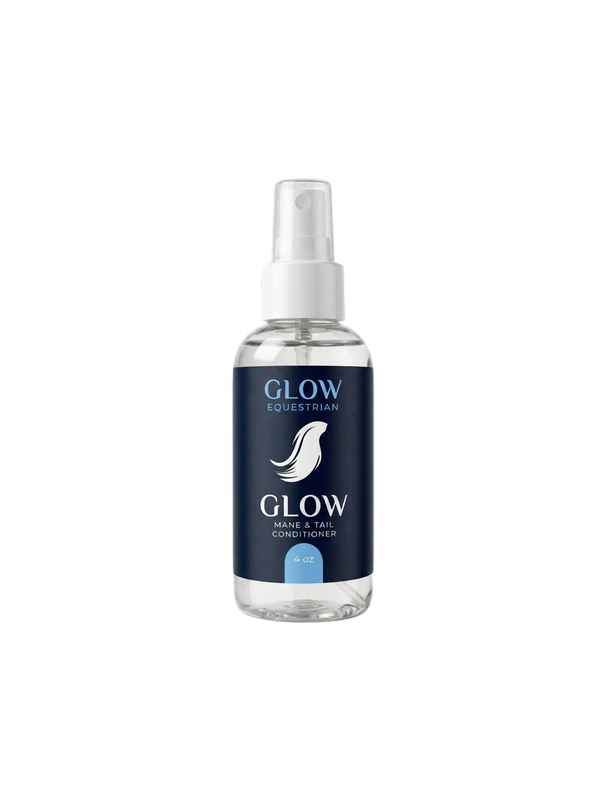
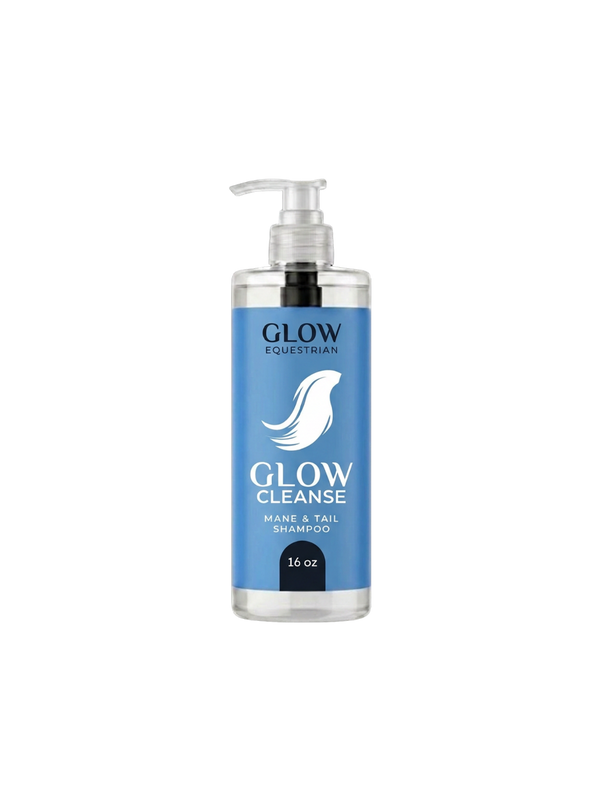
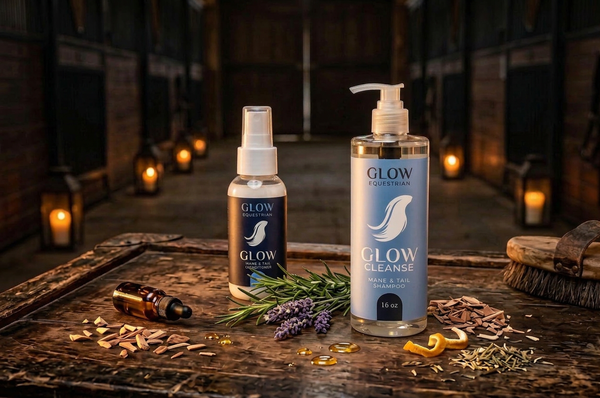
That is where a brand like Glow Equestrian fits naturally into a modern grooming philosophy.
The standard should be therapeutic care with visible results, not old-school product habits that leave horses dependent on surface coating and owners stuck in the same frustration.
Grooming is one of the clearest examples of how small daily choices shape long-term results. Done well, it protects more than appearance.
It supports skin health, preserves the mane and tail, improves comfort, and helps you catch problems while they are still easy to solve. If you want a horse that looks exceptional, start by caring for the biology underneath the shine.