

Mane and Tail Repair That Actually Works
Share
A full tail that snaps off at the dock or a mane that keeps thinning on one side is not a grooming inconvenience.
It is damage. And real mane and tail repair starts when you stop treating breakage, dryness, and rubbing like cosmetic flaws and start treating them like hair health problems.
That distinction matters because the equine grooming aisle is crowded with products designed to make hair look better for a day.
Silicone-heavy detanglers can create slip, gloss, and the illusion of softness, but coated hair is not the same as repaired hair.
If the shaft is dry, the cuticle is compromised, or the skin at the tail head is irritated, shine alone will not fix it.
Why mane and tail repair fails so often
Most failed routines have one thing in common - they chase appearance before they address cause.
A horse with tail breakage may be dealing with friction, overwashing, harsh cleansers, seasonal dryness, skin irritation, or chronic buildup from styling and detangling sprays.
A horse with a brittle mane may be facing the same pattern, just in a different area.
The problem is that many conventional products are built for instant cosmetic payoff.
They flatten the hair, add artificial slip, and mask rough texture.
That can make grooming easier in the moment, but it often leaves owners wondering why the tail still will not thicken, why the mane keeps snapping, or why rubbing returns as soon as the product wears off.
Repair is slower than coating.
It asks a different question.
Not, how do we make this hair look polished today?
But, what is causing protein loss, dehydration, cuticle wear, and skin stress in the first place?
What damaged horse hair actually needs
Hair is not living tissue once it emerges from the follicle, which is exactly why product quality matters.
You cannot ask dead fiber to heal itself. You can, however, protect it, reduce further loss, improve flexibility, minimize friction, and support a healthier environment for continued growth.
That is where a treatment-minded routine outperforms a cosmetic one.
Effective mane and tail repair focuses on three things at once: cleansing without stripping, conditioning with biologically relevant ingredients, and calming the skin so the horse is less likely to rub or damage new growth.
A harsh shampoo can leave the hair clean but brittle. A cheap detangler can make it glossy but weaker over time if buildup accumulates and the underlying dryness never improves.
On the other hand, a clarifying wash that removes residue without brutalizing the shaft, followed by a true conditioner built around oils known for penetration and moisture support, gives the hair a better chance to stay intact.
That is the difference between maintenance and rehabilitation.
The real enemy: buildup, friction, and skin irritation
Owners often assume breakage means the hair is simply fragile by nature. Sometimes it is. More often, the hair is being worn down by a system that keeps working against it.
Buildup is one of the biggest culprits.
When detanglers, dust, sweat, and environmental debris stack up on the shaft, hair loses movement and can become dull, dry, and more prone to snapping. That residue also makes it harder for conditioning ingredients to do meaningful work.
If the skin underneath is congested or irritated, rubbing can follow, and no tail can outgrow constant friction.
Then there is the grooming itself.
Aggressive brushing on dry hair, daily pulling through tangles, and repeated washing with formulas that strip natural oils all create mechanical and moisture stress.
The horse with the shortest tail is not always the horse with the worst genetics. Often, it is the horse whose routine keeps interrupting retention.
This is why therapeutic-grade care matters.
The goal is not just to detangle faster. The goal is to help the hair hold on.
What to look for in a repair-focused routine
The best repair routines are not the busiest.
They are the most intentional.
Start with a cleanser that removes residue but respects the hair and skin barrier.
Clarifying is useful when buildup is part of the problem, but stripping is not. There is a difference.
Then look at the conditioner.
This is where many products fall apart.
If the formula relies mostly on silicones to create shine and slip, you may get immediate cosmetic improvement with limited long-term benefit.
If the formula uses functional oils and scalp-supportive botanicals with a clear purpose, you are in different territory.
MCT coconut oil is one example of an ingredient choice that reflects biology rather than marketing.
It is valued because of its lightweight penetration and ability to support softness without the heavy, waxy feel that can attract more grime.
Rosemary, tea tree, and cedarwood are also relevant when the conversation includes skin comfort, cleanliness, and the conditions that often contribute to rubbing or poor hair retention.
None of this means one ingredient magically fixes every case.
It depends on the horse, the environment, the source of damage, and the consistency of use. But formulation philosophy matters.
You want ingredients selected because they do something, not because they sound luxurious on a label.
How to approach mane and tail repair realistically
If the hair is heavily broken, extremely dry, or uneven from months of rubbing, results will not arrive overnight. That is not a product failure.
That is biology moving at its normal pace.
What you should expect first is a change in feel.
Hair may become softer, more manageable, and less prone to snagging.
Then you may notice reduced breakage during grooming, fewer short snapped ends, better shine that does not look artificial, and less irritation at the tail head or crest if skin stress was part of the issue.
Visible length and density usually follow retention, not the other way around.
That sequence matters because many owners quit too early.
They are trained by the grooming market to expect instant transformation, so they judge every product by same-day shine.
But if the mane is no longer breaking at every brushing and the tail is staying in better condition week after week, that is progress worth respecting.
When repair needs more than a bottle
Good products matter. So does honesty.
Not every case of tail loss is just a conditioning problem.
If a horse is rubbing intensely, check for parasites, allergies, dermatitis, environmental triggers, or management issues.
If the mane is thinning in patches, look at blanket friction, stall hardware, neck rubbing, or even habitual scratching patterns.
No topical routine can outperform an unresolved medical or environmental cause.
Still, once those factors are addressed, the right hair care system can make a major difference in recovery.
It helps preserve what grows in, reduces avoidable breakage, and supports a healthier skin-and-hair cycle over time.
Why premium repair is worth it
Cheap grooming products are often cheap for a reason.
They lean on filler, fragrance, and surface-level payoff because those are easy to sell.
Premium repair-focused formulas cost more because ingredient quality, sourcing, concentration, and manufacturing standards cost more.
For serious horse owners, that trade-off is usually obvious.
You are not buying a prettier spray bottle.
You are investing in retention, softness, reduced rubbing, and a standard of care that matches the value of the horse in front of you.
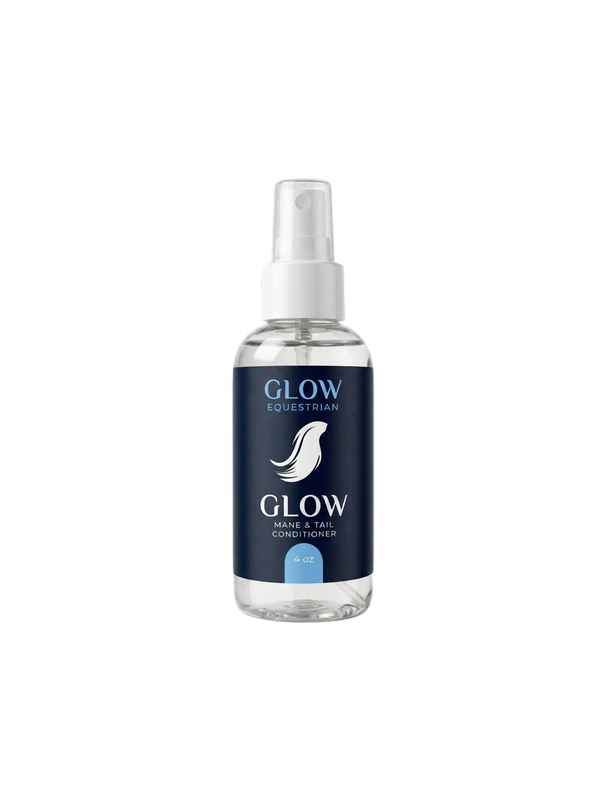
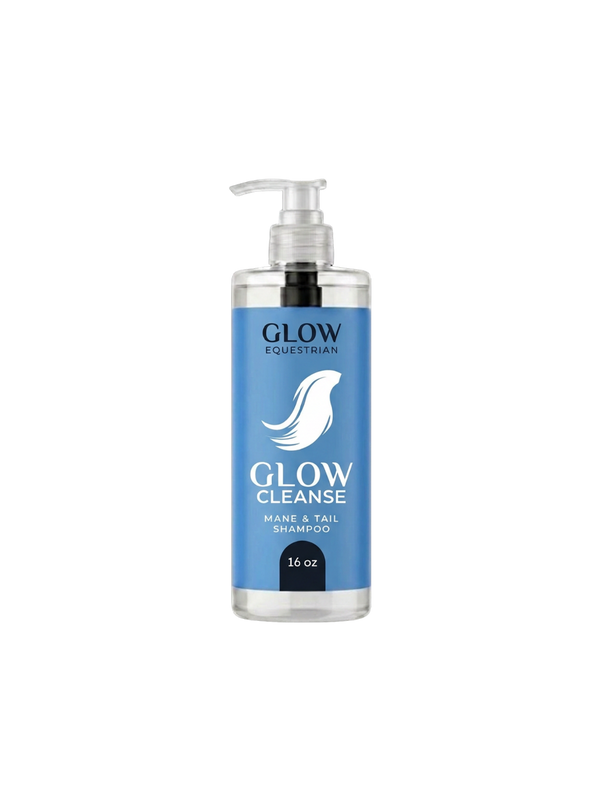
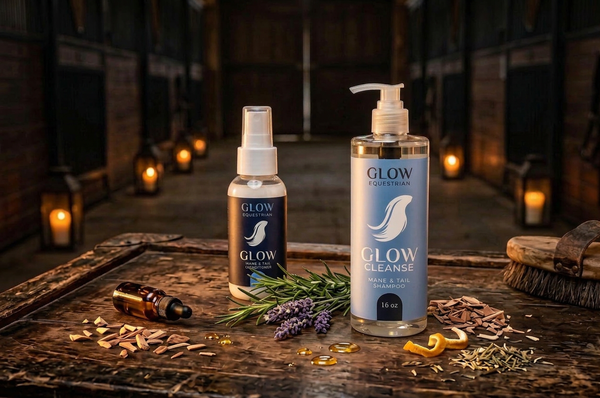
That is exactly why treatment-oriented brands like Glow Equestrian resonate with owners who are done wasting time on fake shine.
They want a routine that respects the biology of hair, supports the skin underneath it, and delivers results that build with use.
Mane and tail repair is not about chasing a polished look for the next ride or show.
It is about giving the hair a real chance to stay strong, stay soft, and stay on the horse.
Start there, stay consistent, and let the results prove what superficial products never could.